Introduction
In our fast-paced world, emergencies can strike at any moment, whether in your home, work, or in public areas. Being prepared to respond effectively can make the distinction between life and death. This is where first aid enters into play. While many watch a first help course as simply a demand for certain careers or an enhancement to their return to, it expands far past that. It incorporates abilities that equip people to act with confidence throughout emergencies.
First help expertise not just saves lives but also enhances neighborhood security and develops durability amongst people of any ages. In this short article, we will certainly check out the multifaceted duty of first aid in daily life-- exploring its significance, the training entailed, and exactly how it gears up individuals with necessary abilities that resonate with different aspects of life. So, buckle up as we dive much deeper right into The Function of Emergency treatment in Everyday Life: More Than Just a Certificate
The Role of Emergency treatment in Everyday Life: More Than Just a Certificate
Understanding First Aid
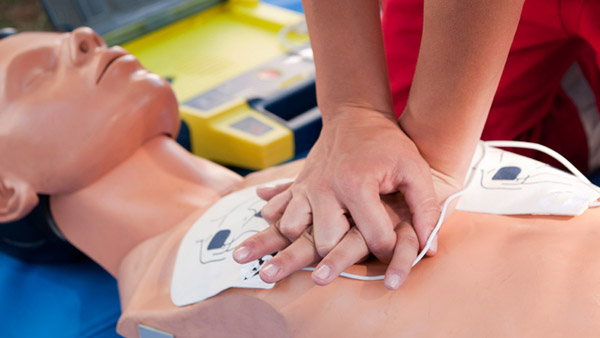
First aid describes the immediate treatment supplied to someone who has actually suffered an injury or health problem before expert clinical aid arrives. The purpose is straightforward: support the individual's problem and protect against more damage. This might entail standard strategies like applying plasters, performing mouth-to-mouth resuscitation (Cardiopulmonary Resuscitation), or using an Automated External Defibrillator (AED).
It's vital to acknowledge that emergency treatment isn't just about physical injuries; it includes mental health and wellness emergency situations too. For instance, supplying support throughout an anxiety attack or identifying signs of shock can also belong to efficient first aid.
The Relevance of Emergency treatment Training
Why should every person think about registering in an emergency treatment course? The answer depends on readiness. Emergencies are unpredictable; nonetheless, being educated ways you can react quickly and effectively when they occur.
Confidence Structure: Knowing exactly how to manage emergencies imparts confidence not simply in yourself however also assures those around you. Community Safety and security: Educated people add dramatically to general neighborhood security by providing aid during crises. Legal Security: Several areas have Do-gooder legislations that secure those that give assistance in emergencies from lawful repercussions.The Framework of an Emergency Treatment Course
A regular first aid course frequently covers:
- Basic CPR techniques Use of AEDs Bandaging wounds Responding to choking events Treating burns and cracks Managing shock and seizures Mental health initial aid
Courses might vary from basic training sessions lasting a couple of hours to detailed multi-day workshops where individuals make a first aid certificate upon completion.
Why Choose CPR Courses?
CPR training courses particularly concentrate on training lifesaving strategies that can be employed when someone stops breathing or their heart stops whipping.
Key Elements:
- Adult, kid, and baby mouth-to-mouth resuscitation techniques Rescue breaths vs. chest compressions Recovery positions
According to different researches, timely mouth-to-mouth resuscitation can double or even triple the opportunities of survival for heart attack targets. Consequently, investing your time into a CPR course is undoubtedly worthwhile.
How to Choose the Right Course
With numerous organizations providing training worldwide, picking the appropriate course might appear complicated. Below are some suggestions:
Accreditation: Ensure the establishment is recognized and accredited. Course Material: Evaluation what particular abilities are taught. Teaching Design: Some people find out far better through hands-on technique; check if useful presentations are included. Location & Timing: Go with classes that fit your timetable without included stress.First Aid Skills Every person Ought To Master
1. Choking Management
Choking is one of one of the most typical emergencies came across daily; thus knowing exactly how to execute abdominal thrusts (the Heimlich maneuver) can be lifesaving.
Steps:
Assess the circumstance-- ask if they're choking. Stand behind them, put your arms around their waist. Make a hand with one hand and area it over their navel. Grasp the fist with your various other hand and drive internal and higher till they cough or breathe again.2. Carrying out CPR
As described earlier, mouth-to-mouth resuscitation is vital for any individual experiencing cardiac arrest:
Steps:
Call emergency situation solutions immediately. Begin upper body compressions at a price of 100-120 compressions per minute. If trained, offer rescue breaths after every 30 compressions (30:2 ratio).3. Dealing with Wounds
Wound care may appear insignificant but recognizing how Click here for info to cleanse and dress wounds appropriately can protect against infections:
Steps:
Wash hands thoroughly. Apply mild pressure with sterilized gauze till bleeding stops. Clean around the injury with soap and water before using an antibiotic lotion and dressing.Mental Wellness First Aid
Emergencies aren't exclusively about physical injuries; mental health and wellness situations require immediate focus too!
Recognizing Signs of Distress
Understanding indications such as extreme anxiousness or visible distress helps you intervene properly:
Listen actively without judgment. Offer peace of mind while encouraging expert help if necessary.Providing Support During Crises
Be calm yet assertive; assisting someone through anxiety attack utilizing basing methods can relieve their signs and symptoms significantly.

The Influence on Families
First aid expertise plays a vital duty within households-- developing comfort concerning safety while nurturing duty among children as well.
Teaching Children Concerning First Aid
Instilling these skills at an early stage makes sure kids grow up understanding just how vital it is to care for themselves and others:
Use age-appropriate language. Engage them via enjoyable tasks like role-playing circumstances where they apply fundamental techniques!Workplace Safety and security Culture
Employers should focus on first-aid training within their workplace settings for numerous reasons:
1) Conformity with Occupational Security Regulations: Numerous workplaces need to adhere purely to safety and security standards calling for trained personnel prepared throughout emergencies-- lowering responsibility threats overall!
2) Improved Employee Morale: Staff members really feel valued when companies invest in their well-being-- developing solid team dynamics where members look out for every other's welfare cultivates trust!
Conclusion
In conclusion, accepting emergency treatment understanding transcends just getting certification-- it embodies readiness in the direction of life's changability whilst nurturing individual development in the process!
Investing time right into discovering abilities such as CPR not just improves individual capabilities however strengthens areas against prospective dilemmas lurking around every edge! Inevitably becoming equipped conserves lives while promoting much healthier cultures-- making it extremely important that every person thinks about registering in thorough programs focused on both general 'first-aid' & & specialized 'mouth-to-mouth resuscitation courses'.
Frequently Asked Questions
What is included in a basic emergency treatment course?
A criterion first aid course generally consists of direction on standard injury care, mouth-to-mouth resuscitation methods for adults/children/infants, choking management procedures in addition to dealing with shock/seizures properly consisting of useful drills!
How long does it take to finish a mouth-to-mouth resuscitation accreditation class?
Most CPR qualification classes vary from 4-- 8 hours depending upon whether they cover adult/child/infant specifics! Examine local offerings for exact timing information tailored particularly in the direction of your needs/preferences!
Is my first-aid certificate legitimate indefinitely?
No! Most certifications have expiry days (frequently 2 years); regular renewal guarantees updated data base on present guidelines/best practices!
Can I show others once I finish my training?
While you acquire beneficial understandings throughout these programs; official training calls for added qualifications/certification from identified companies regulating instructor-led programs!

Are online training courses efficient compared with standard classes?
While online discovering gives adaptability & & benefit; hands-on method remains vital specifically pertaining to skill-development essential along with academic understanding-- hybrid methods commonly yield finest results!
By integrating these essential practices right into our daily lives we can cultivate more secure settings everywhere! So why wait? Sign up today for any kind of offered 'First-Aid' & & 'MOUTH-TO-MOUTH RESUSCITATION' courses-- you'll thank yourself later!